


Discover the top places to visit in Vietnam, this complete Vietnam travel guide (North to South) reveals cultural highlights, hidden gems, best itineraries, and practical tips for first time visitors.
Vietnam Travel Guide 2026: The Ultimate North to South Journey
Vietnam isn’t a destination you just see. It’s a place you feel, in the steamy steam rising off a bowl of pho, in the echo of footsteps along ancient citadel walls, in the swaying emerald rice terraces high in the mountains. Stretching over nearly 1,650 miles from the Chinese border to the Gulf of Thailand, Vietnam is not one story but many, each region marked by distinct landscapes, histories, and ways of life.
In this travel guide, we take you on a journey from north to south, uncovering not just where to go, but why it matters, the best things to do, who it’s perfect for, and how to experience each place beyond sightseeing. Whether this is your first time discovering Vietnam or you’re returning to explore deeper, this guide will help you plan a meaningful, unforgettable itinerary.

Why Vietnam Matters?
Vietnam’s appeal isn’t built on a single postcard moment, it’s woven from hundreds of small ones. Even a short visit offers something unforgettable: a sunrise over rice terraces, the smoky aroma of street grilled pork, lanterns floating along river canals, laughter echoing from a market stall. For visitors, delivers both spectacle and soul.
This guide is organized from north to south to help you experience the country in a natural journey, evolving from dramatic Vietnam highlands and heritage cities to tropical islands and river worlds.
Northern Vietnam: Nature, History & Ancient Rhythms
1. Ha Noi — Vietnam’s Timeless Capital
Ha Noi, Vietnam’s capital, is where first impressions turn into lasting memories. Unlike glossy capital cities elsewhere, Ha Noi unfolds slowly. It moves gently but persistently. The energy here isn’t in grand skyscrapers, but in small, repeated rhythms: early tai chi by Hoan Kiem Lake, scooters threading through narrow alleys, vendors calling out steaming bowls of pho before sunrise. Top things to do in Ha Noi include:
• Lose yourself in the Old Quarter’s labyrinthine streets
• Sip egg coffee in a sidewalk café
• Visit the Temple of Literature: the first university of Vietnam
• Reflect at the Ho Chi Minh Mausoleum
• Watch sunset life around Hoan Kiem Lake
Ha Noi also serves as the perfect gateway for northern excursions, rural villages, mountain towns, and world famous landscapes are easily reached by road or rail.

2. Ha Long Bay & Lan Ha Bay — Limestone Legends
No list of Vietnam’s top places is complete without Ha Long Bay. What sets it apart is its scale and silence. Here, thousands of limestone karsts rise like ancient sentinels from jade waters: a sight that inspires awe whether you’re floating in a kayak, swimming under a hidden cave, or watching the sunrise from your cabin deck.
While Ha Long Bay is iconic, nearby Lan Ha Bay (southern extension with gentler crowds) and Cat Ba Island (outdoor adventure and beaches) offer excellent alternatives, often with fewer tour boats and a more relaxed pace. Below are some best ways to experience the bay:
• Overnight cruise (sunrise + sunset views)
• Kayaking among hidden lagoons
• Swimming at quiet coves
• Visiting floating fishing villages
Pro tip: Morning mist and evening calm make for the most remarkable photos and quiet moments.

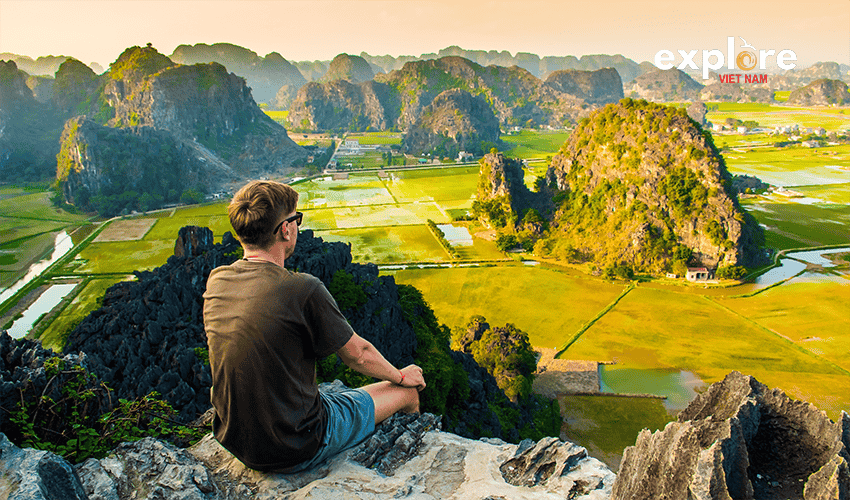
3. Ninh Binh — “Ha Long Bay on Land”
Just a few hours from Ha Noi lies Ninh Binh, a place of serene rice paddies, winding rivers, and immense limestone towers rising from flat fields. Often called “Ha Long Bay on land”, Ninh Binh draws travelers seeking beauty without crowds. Visiting Ha Long, you can enjoy with these activities:
• Boat rides through rice valleys at Tam Coc or Trang An
• Climb to Hang Mua for panoramic views
• Bike through peaceful countryside routes
Ninh Binh isn’t about grand panoramas, it’s about slow mornings, gentle paddles, and the quiet echo of birdsong.
4. Sapa & the Northern Highlands
For nature lovers and culture seekers, nothing in Vietnam quite matches Sapa. High in the Hoang Lien Son mountains, Sapa is known for its cool climate, rolling terraces, and ethnic minority communities who maintain ancient traditions and crafts.
Trekking here isn’t measured by distance, but by the richness of connection, passing through villages where the world feels untouched by time. Travelers drawn to Sapa are often those who want a deeper, slower Himalayan like experience: one filled with landscapes and human stories.

Central Vietnam: History, Coastlines & Culture
Midway down Vietnam lies a region shaped by imperial history, coastal beauty, and ancient trading cultures. Here, the rhythm slows and the atmosphere softens.
5. Hue — Imperial Heritage & Tranquil Canals
Hue was Vietnam’s imperial capital under the Nguyen dynasty. Today, it’s a city of quiet reflection, linked by the gentle Perfume River and dominated by citadels and historic tombs. Unlike Vietnam’s louder urban centers, Hue invites contemplation. Some must see destinations in Hue include:
• The Imperial Citadel
• Tombs of Nguyen emperors
• Hue’s refined royal cuisine
Remember to taste bun bo Hue and banh khoai: dishes as rooted in history as the city itself. In case you want to explore Hue with local experts, check out Explore Vietnam’s Hue tours (city tours, countryside excursions & day trips), we offer a variety of guided experiences to help you discover the imperial capital’s history, culture, and landscapes.

6. Hoi An — Timeless Beauty & Lantern Nights
Hoi An may be one of Vietnam’s most beloved towns. By day, its yellow walls and winding lanes reflect a blend of Vietnamese, Chinese, Japanese, and European influence. By night, lanterns along the Thu Bon River transform the old town into something almost magical.
But Hoi An isn’t just beautiful, it’s liveable. Cyclists pedal along countryside roads; cooks teach you to make banh xeo; beaches beckon with gentle waves. Here are some top things to do in Hoi An:
• Stroll the lantern lit old town
• Take a cooking class
• Rent a bicycle for nearby rice fields
• Visit An Bang Beach
Hoi An marries heritage with everyday life, ideal for those who want beauty and immersion over busy itineraries. Discover more about Hoi An and its lantern-lit streets, historic houses, and local experiences here.

7. Da Nang — Modern Coast & Natural Wonders
Just north of Hoi An, Da Nang presents a different side of central Vietnam. Wide boulevards, clean shorelines, and proximity to mountains make it a great base for both relaxation and adventure. Da Nang works especially well for those who want comfort with access to both coast and culture. People who prefer less-touristy experiences in Da Nang can check here for exploring hidden gems, quiet beaches, and local culture in Da Nang. This is definitely ideal for tourists seeking authentic experiences away from the crowds.

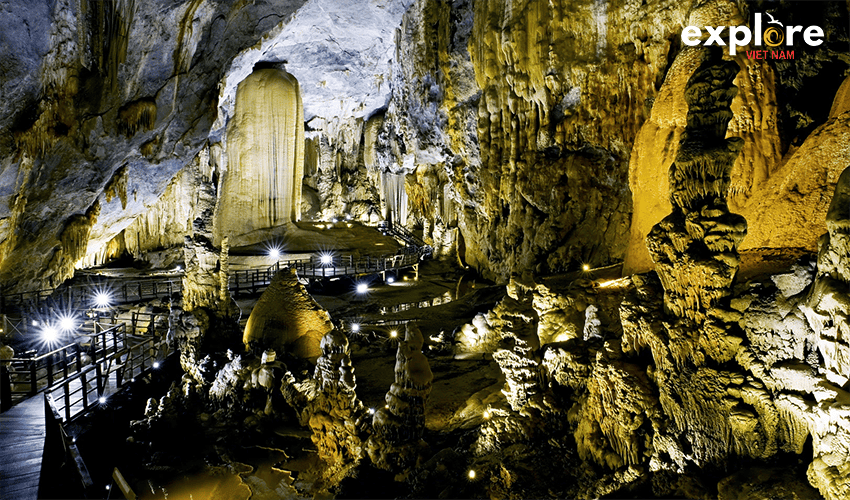
8. Beyond the Classics: Quy Nhon & Phong Nha
While Ha Noi, Hue, Hoi An, and often get top billing, two places deserve equal praise:
• Quy Nhon: A coastal city with quiet beaches Ho Chi Minh City, local food, and a relaxed pace

• Phong Nha: Home to enormous caves and jungle landscapes. For adventurers and nature lovers, these lesser visited destinations are among Vietnam’s best kept secrets.
Southern Vietnam: Cities, Waterways & Tropical Ends
Down south, life takes on warmer air, vibrant markets, and world defining river culture.
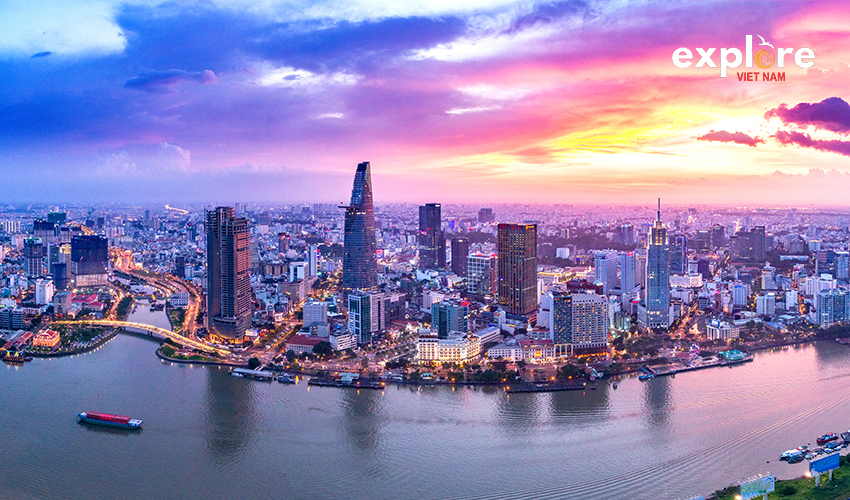
9. Ho Chi Minh City — Urban Pulse & Street Spirit
Ho Chi Minh City (often still called Saigon) is Vietnam at high energy. Towering skyscrapers sit beside French era boulevards; street food shacks share sidewalks with luxury cafes. Here, the past and future pulse together: loud, fast, and unfiltered. When visiting this bustling city, make sure you don’t miss these place:
• Historic War Remnants Museum
• Banh mi and coffee culture tours
• Nightlife in District 1
10. Mekong Delta — Waterways & Village Life
South of the city, the Mekong Delta unfolds as a labyrinth of life shaped by water. Here, floating markets rise with the sun, small canals thread through villages, and bicycles are as essential as boats. Best experiences include:
• Cai Rang floating market
• River cruises through mangroves
• Homestays and village visits
• Cycling local paths

11. Phu Quoc & Southern Islands — Tropical Endings
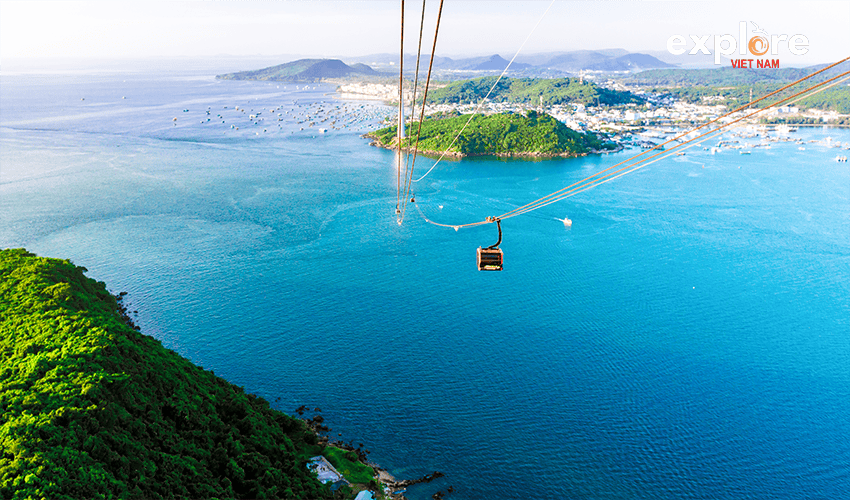
For many, Phu Quoc provides the perfect close to a Vietnam trip: Palm lined beaches, clear waters, and gentle sunsets contrast with the busier rhythms of the mainland. Yet even here, local life such as fishing villages, pepper farms, coastal markets paints a vivid cultural layer beneath blue skies. Whether you prefer barefoot simplicity or luxury lodges, this island feels like a slow exhale.
How to Plan Your Vietnam Itinerary with Explore Vietnam
Planning your Vietnam itinerary with Explore Vietnam is simple and stress-free. Start by sharing your travel preferences, budget, and interests with us, whether you’re into beaches, culture, food, or adventure. Our team will then suggest a personalized itinerary, covering must-see destinations, accommodations, transportation, and guided experiences. You can review and adjust the plan to fit your schedule before confirming your trip. With local expertise and tailored support, Explore Vietnam definitely will help to ensure a smooth, enjoyable journey from start to finish.
Best Time to Visit Vietnam
The ideal time to visit Vietnam is from February to April and September to November, when temperatures are generally moderate and rainfall is lighter across most regions. During these months, you can enjoy more comfortable weather for exploring cities, beaches, and natural landscapes without the extreme heat or heavy monsoon rains.
• North: cool winters & lush green springs
• Central: mild shoulder seasons
• South: dry and sunny ideal for beaches

Frequently Asked Questions
1. What are the top places in Vietnam for first timers?
Ha Noi, Ha Long Bay, Hoi An, Ho Chi Minh City, and the Mekong Delta make a balanced introduction.
2. How many days are ideal?
2–3 weeks provides time to explore without rushing.
3. Is Vietnam budget friendly?
Yes. Food, transport, and lodging are excellent value across all budgets.
4. Can Vietnam be family friendly?
Absolutely, beaches, countryside, culture, and food markets offer activities for all ages.
Vietnam as a Journey, Not a Checklist
Vietnam ’s a place to uncover. Each region offers its own story: the refined rhythms of the north, the heritage soul of central coast towns, and the vibrant energy of the south. When you travel here with curiosity rather than haste, Vietnam rewards you with moments that linger long after your journey ends.
